Luke
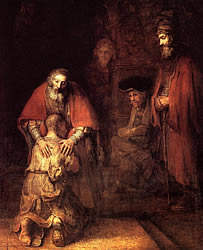 The Gospel according to Luke, also called the Gospel of Luke, or simply Luke, tells of the origins, birth, ministry, death, resurrection, and ascension of Jesus Christ. Together with the Acts of the Apostles, it makes up a two-volume work which scholars call Luke-Acts; together they account for 27.5% of the New Testament.
The combined work divides the history of first-century Christianity into three stages, with the gospel making up the first two of these - the arrival among men of Jesus the Messiah, from his birth to the beginning of his earthly mission in the meeting with John the Baptist followed by his earthly ministry, Passion, death, and resurrection (concluding the gospel story per se).
Most modern scholars agree that the main sources used for Luke were the Gospel of Mark, a hypothetical sayings collection called the Q source, and material found in no other gospels, often referred to as the L (for Luke) source.
The author is anonymous; the traditional view that it was Luke the Evangelist, the companion of Paul, is still occasionally put forward, but the scholarly consensus emphasises the many contradictions between Acts and the authentic Pauline letters.
The most probable date for its composition is around AD 80-110, and there is evidence that it was still being revised well into the 2nd century.
View the Chapters of Luke:
1
2
3
4
5
6
7
8
9
10
11
12
13
14
15
16
17
18
19
20
21
22
23
24